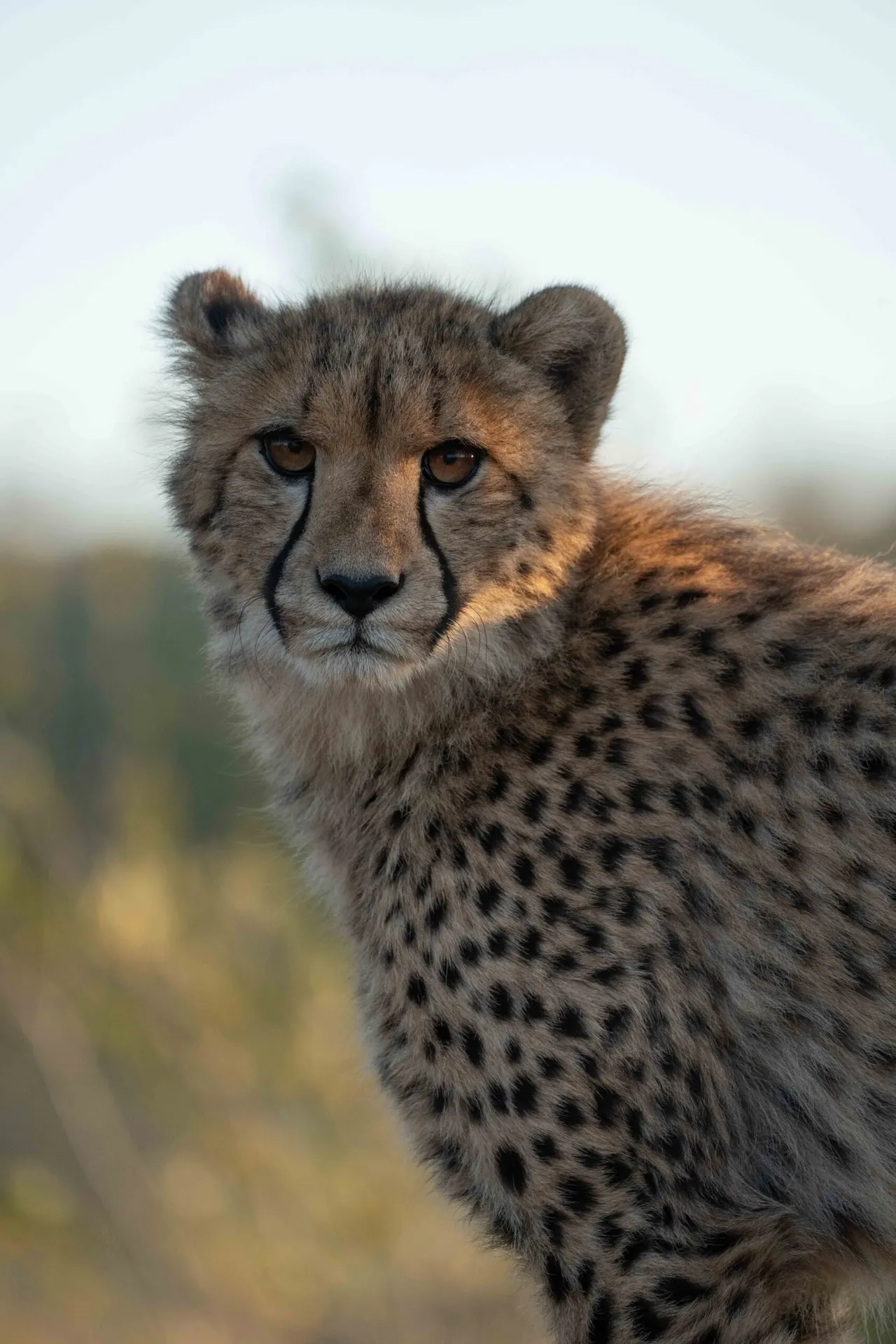
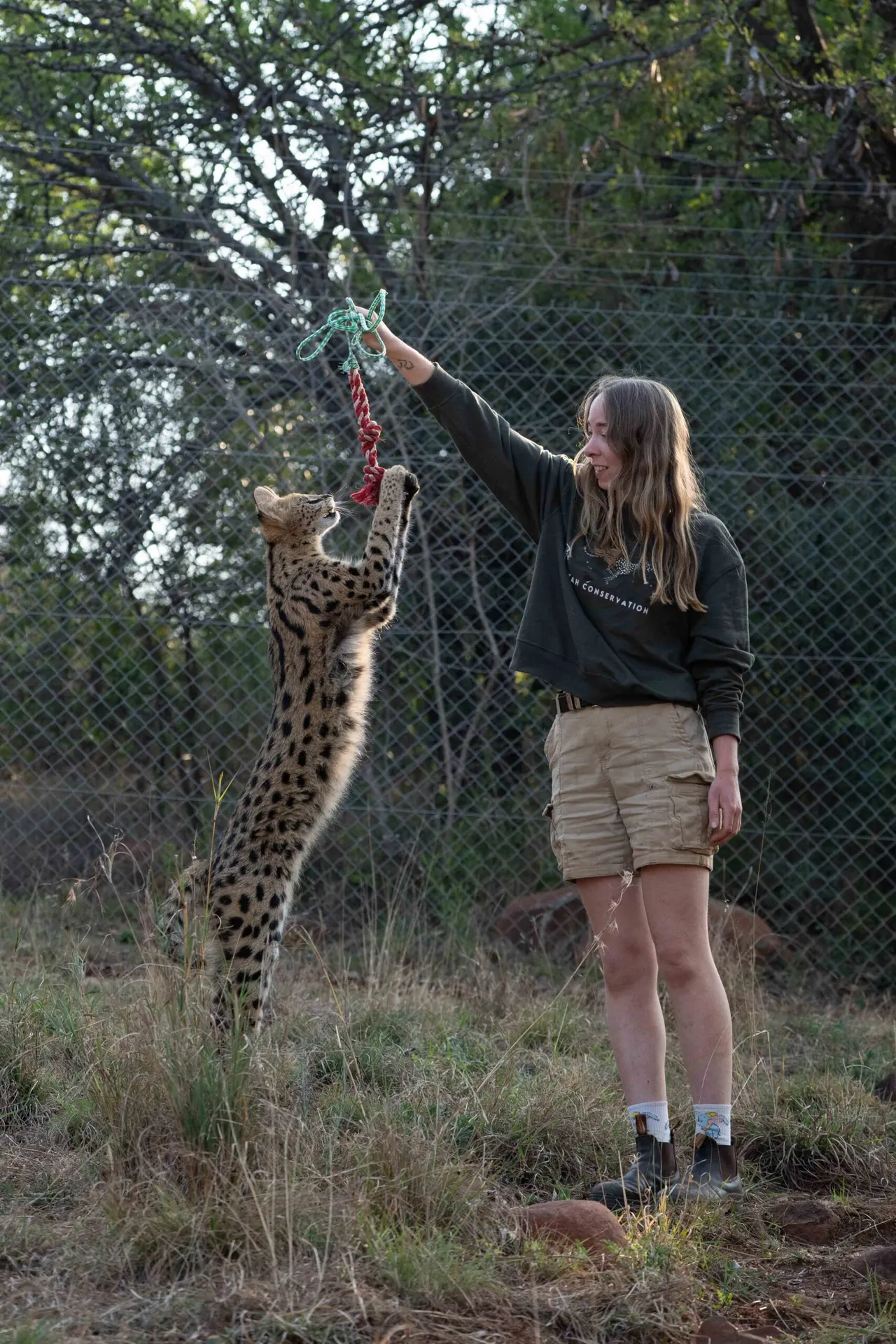
An internship inside a working conservation project.
One to eight weeks on a rescue-first sanctuary in Gauteng. Hands-on animal care, real conservation practice, and exposure to veterinary work you cannot get in a lecture theatre.
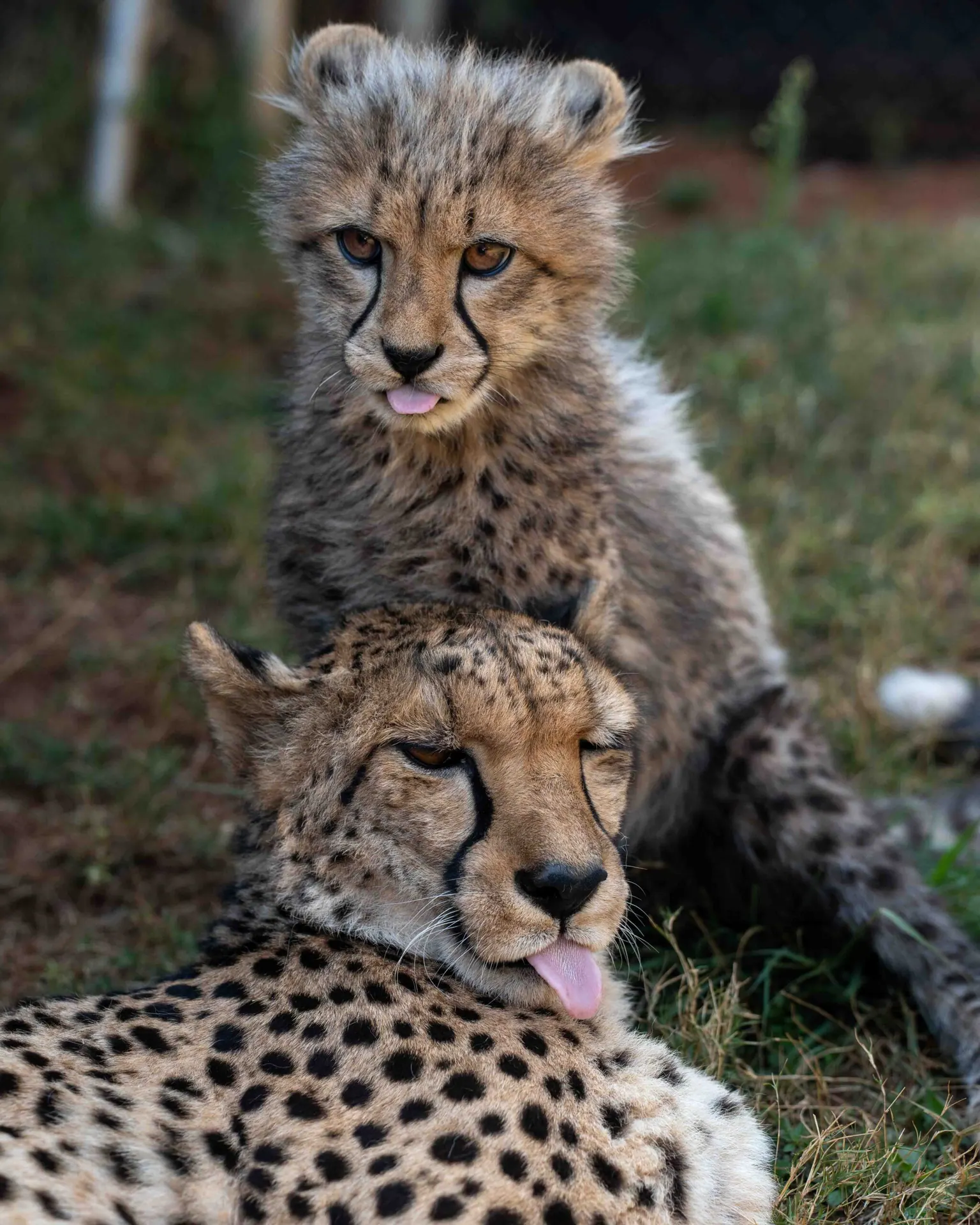
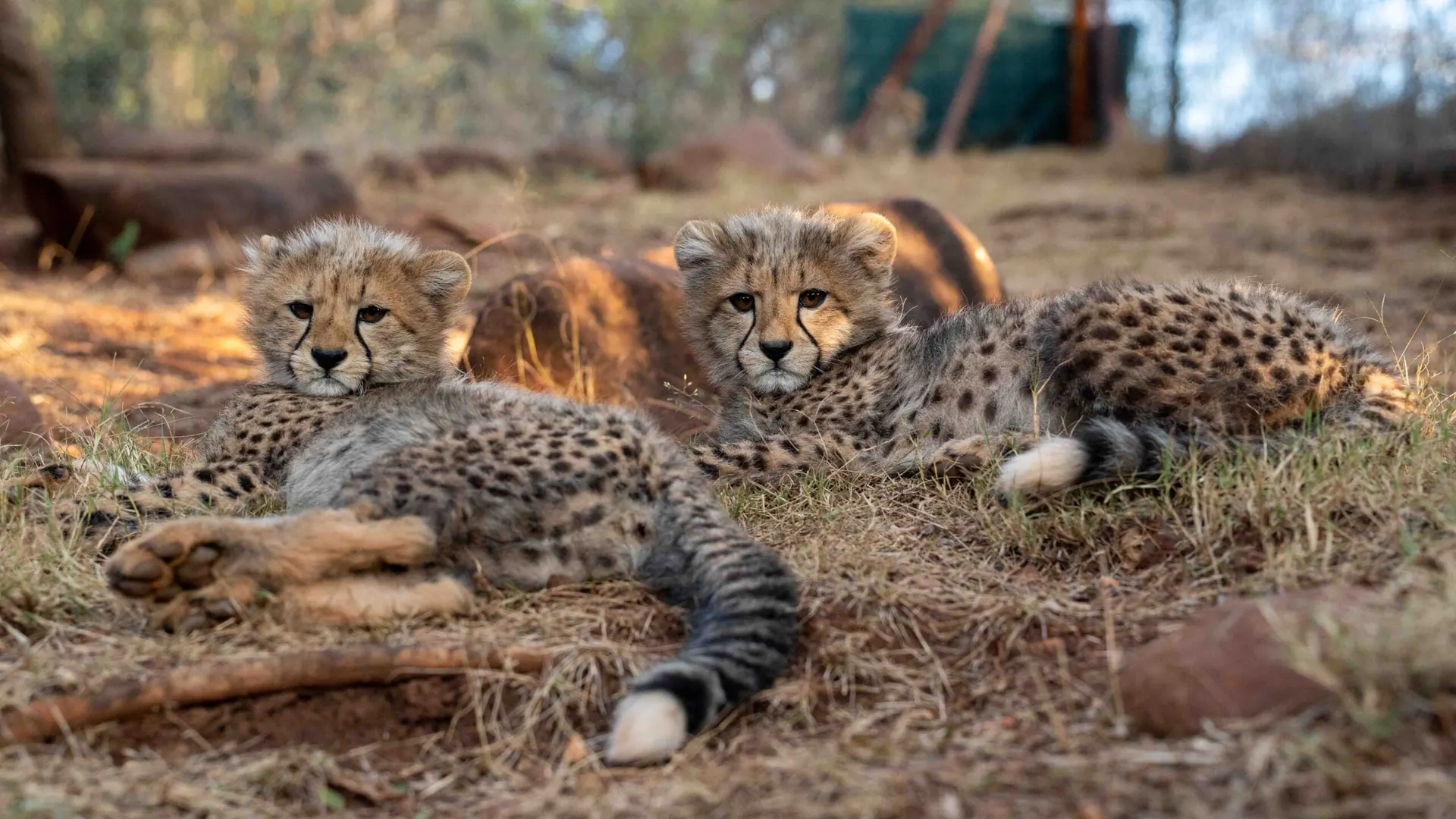
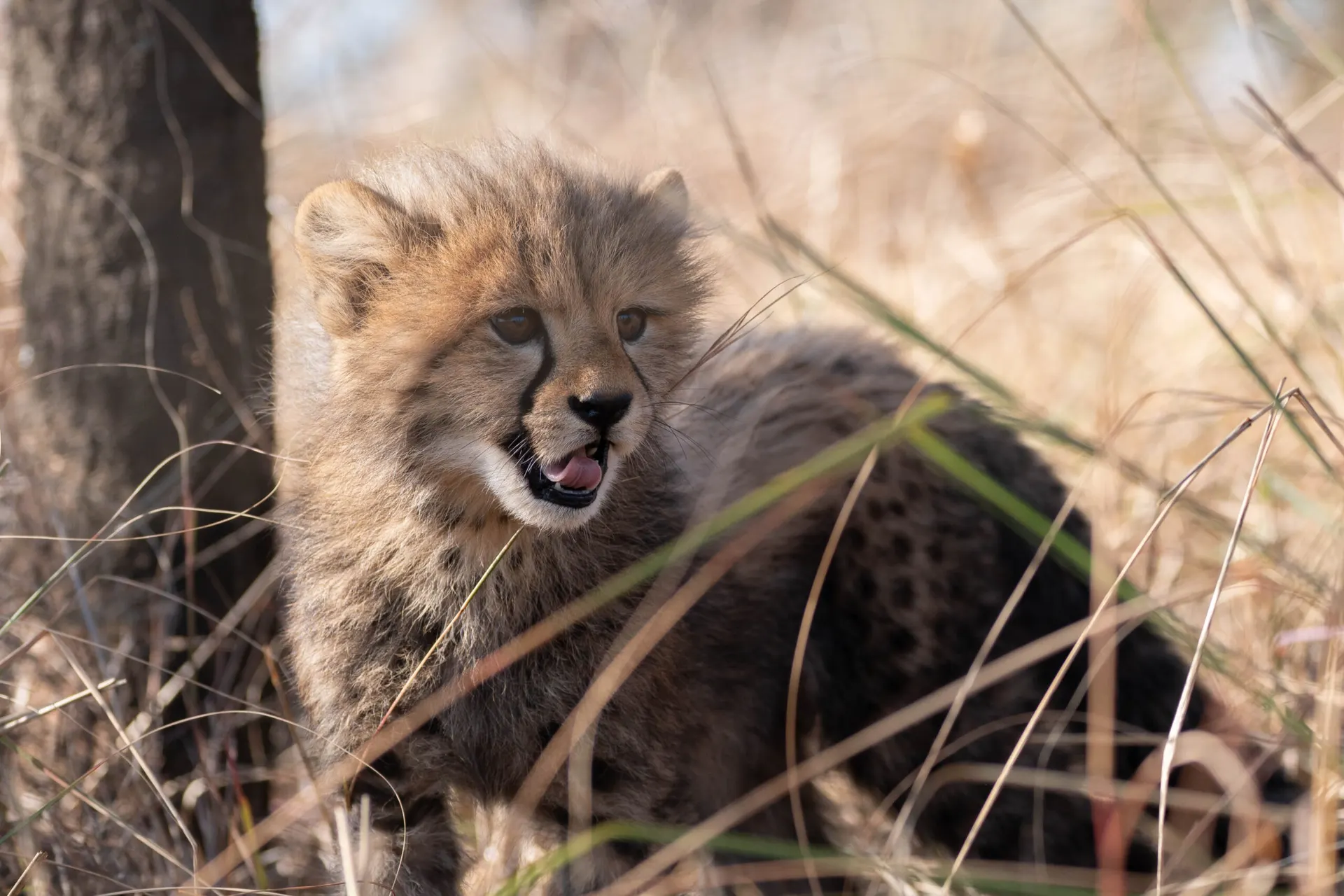
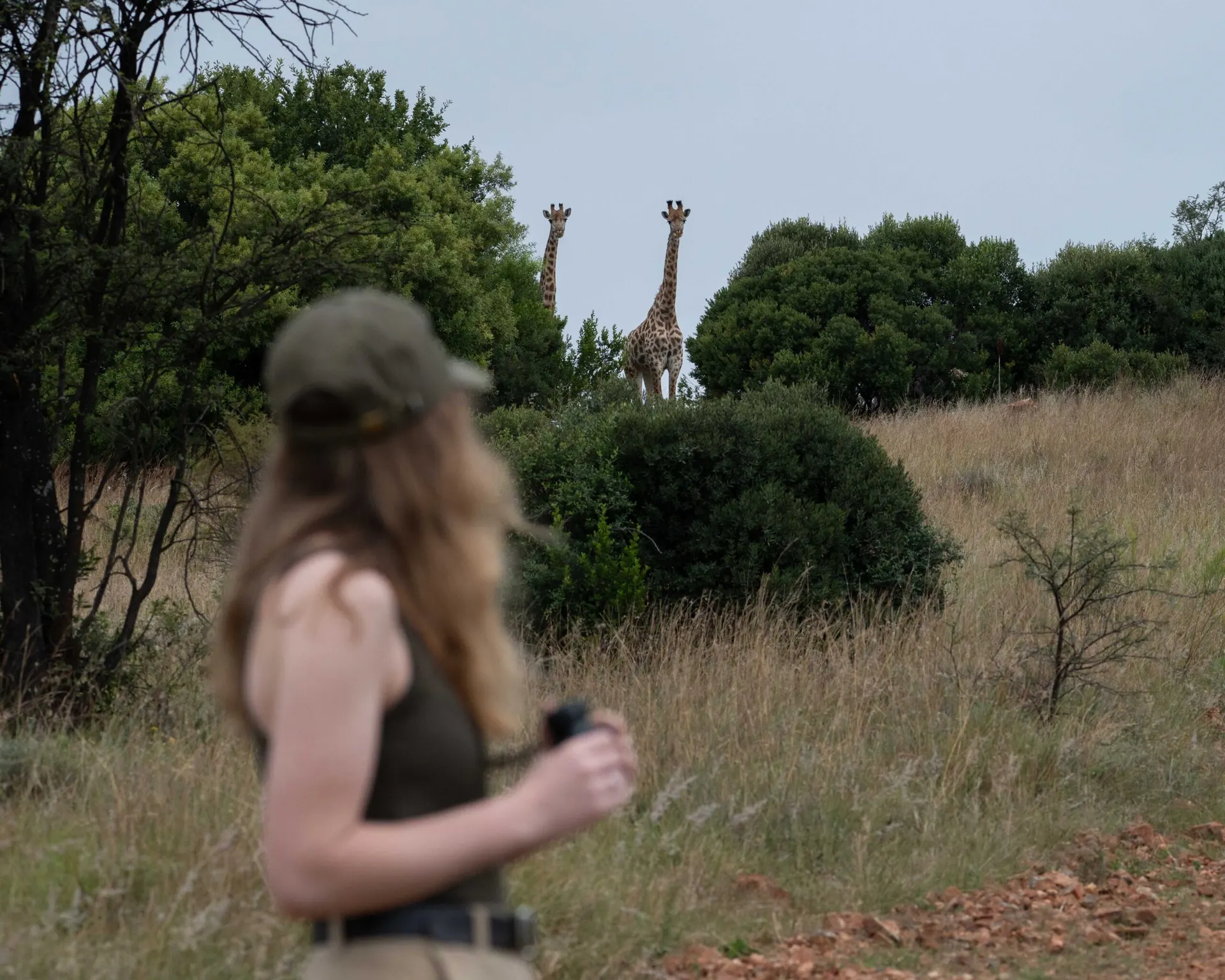
Interns at our cheetah project are part of the daily operation, not observers of it. You work alongside the animal team through food preparation, husbandry, enrichment and behavioural observation — the work that actually keeps a sanctuary running.
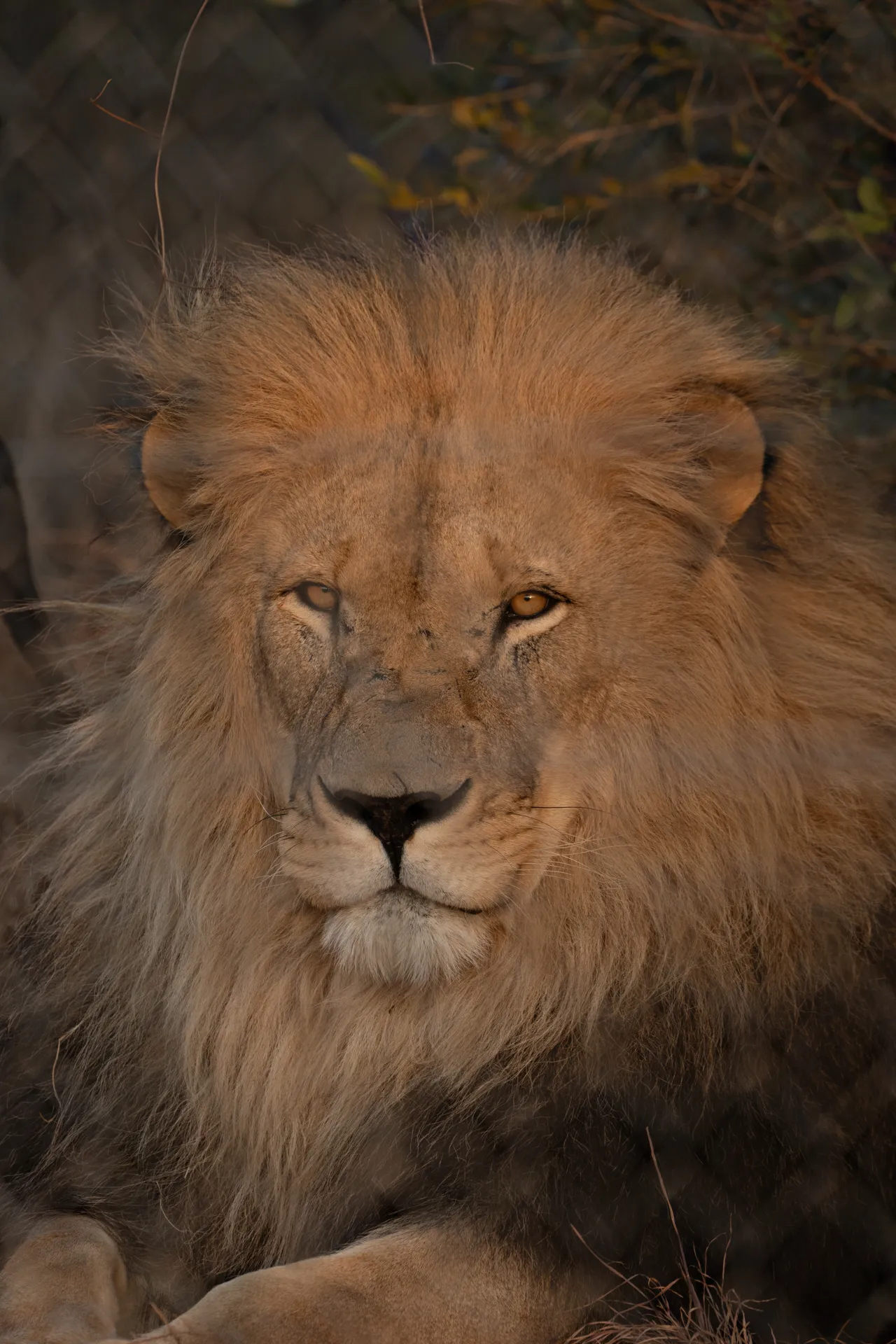
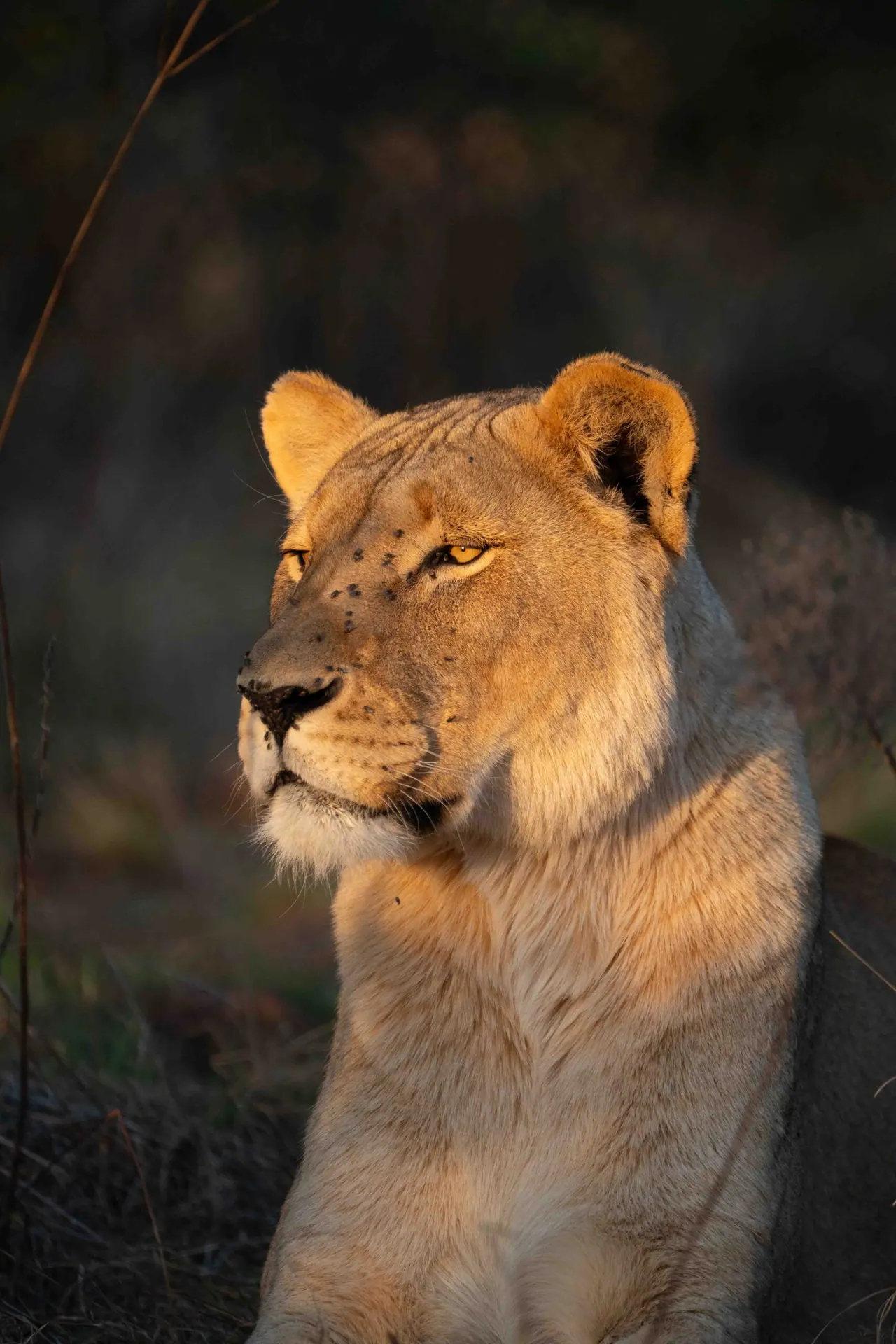
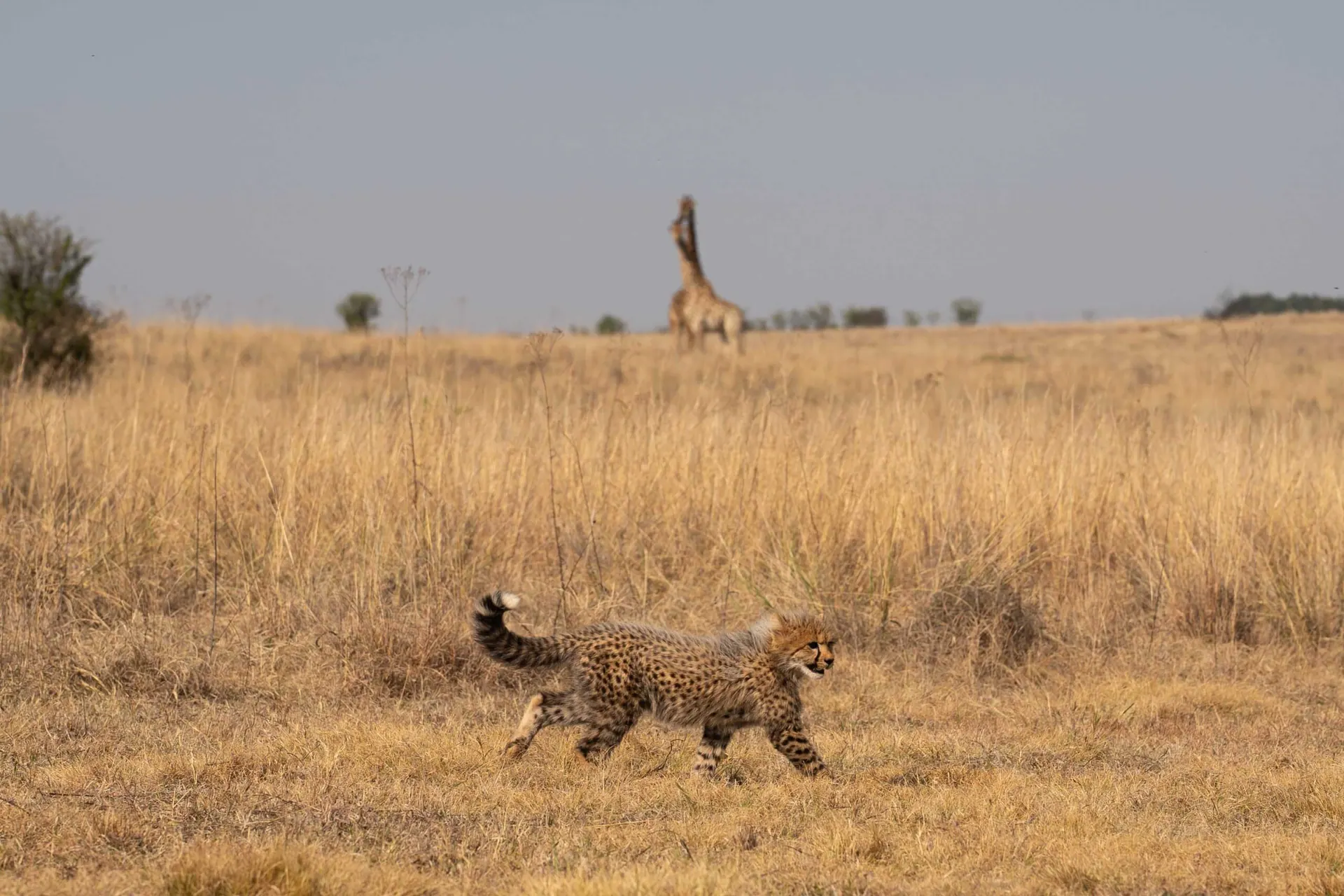
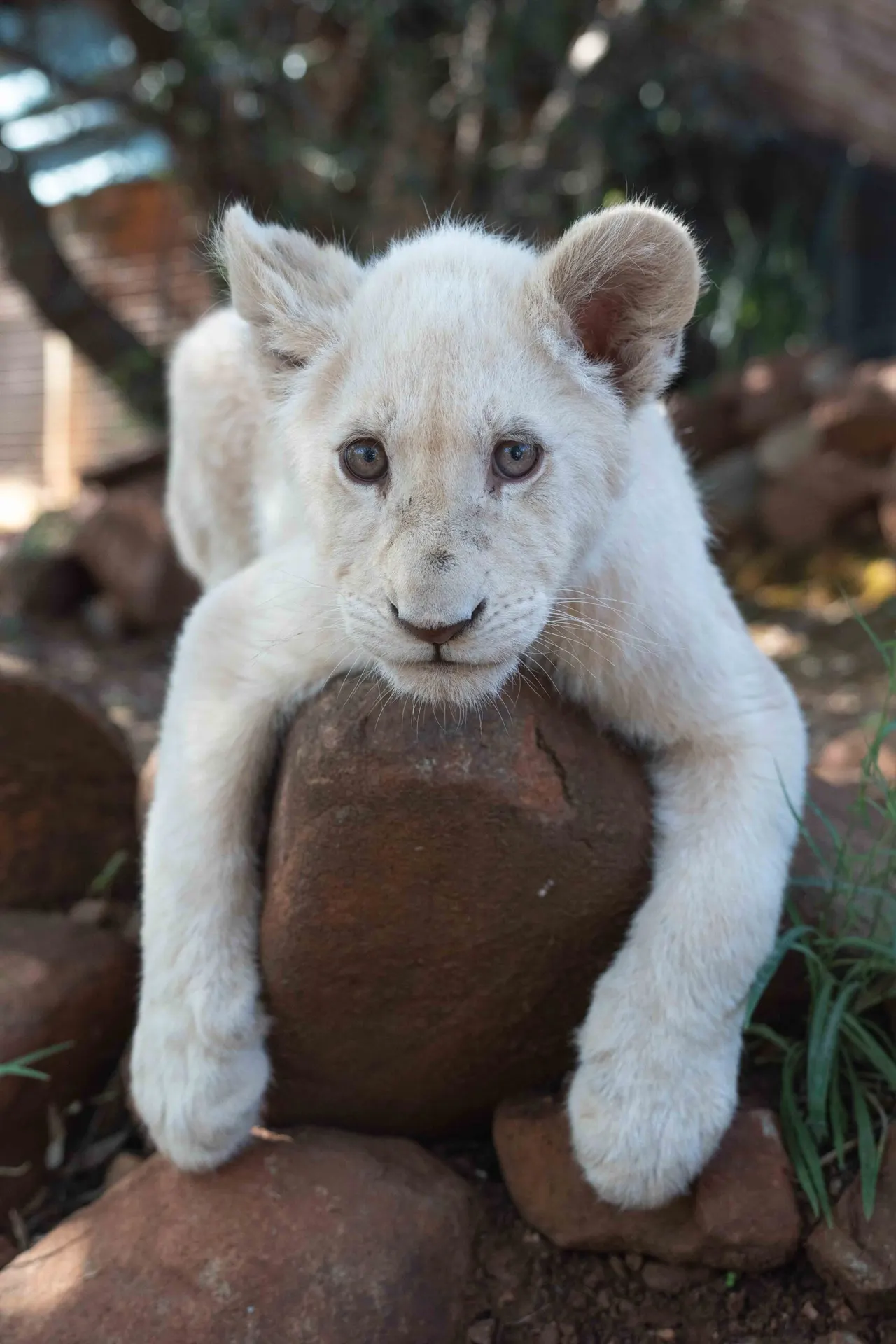
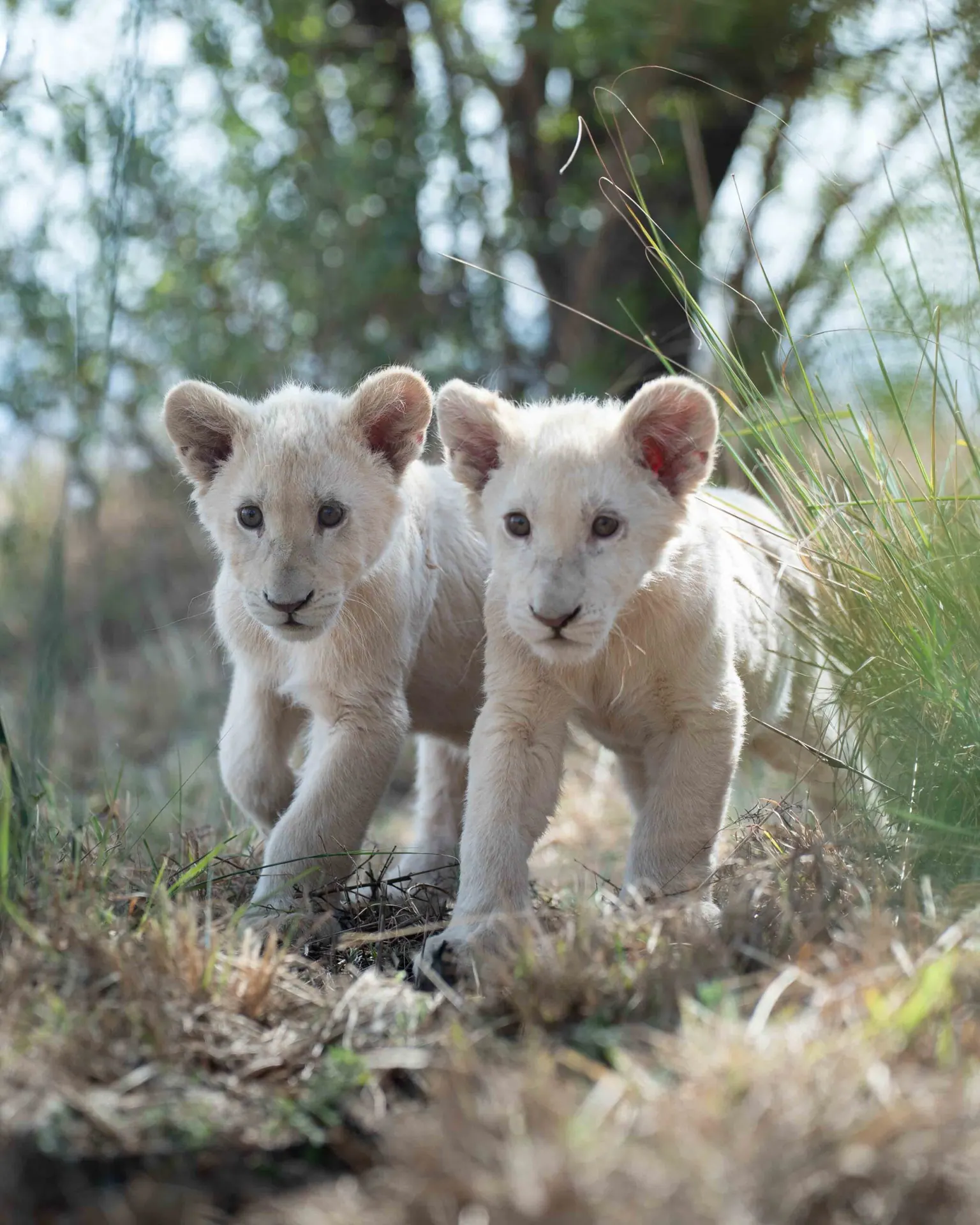
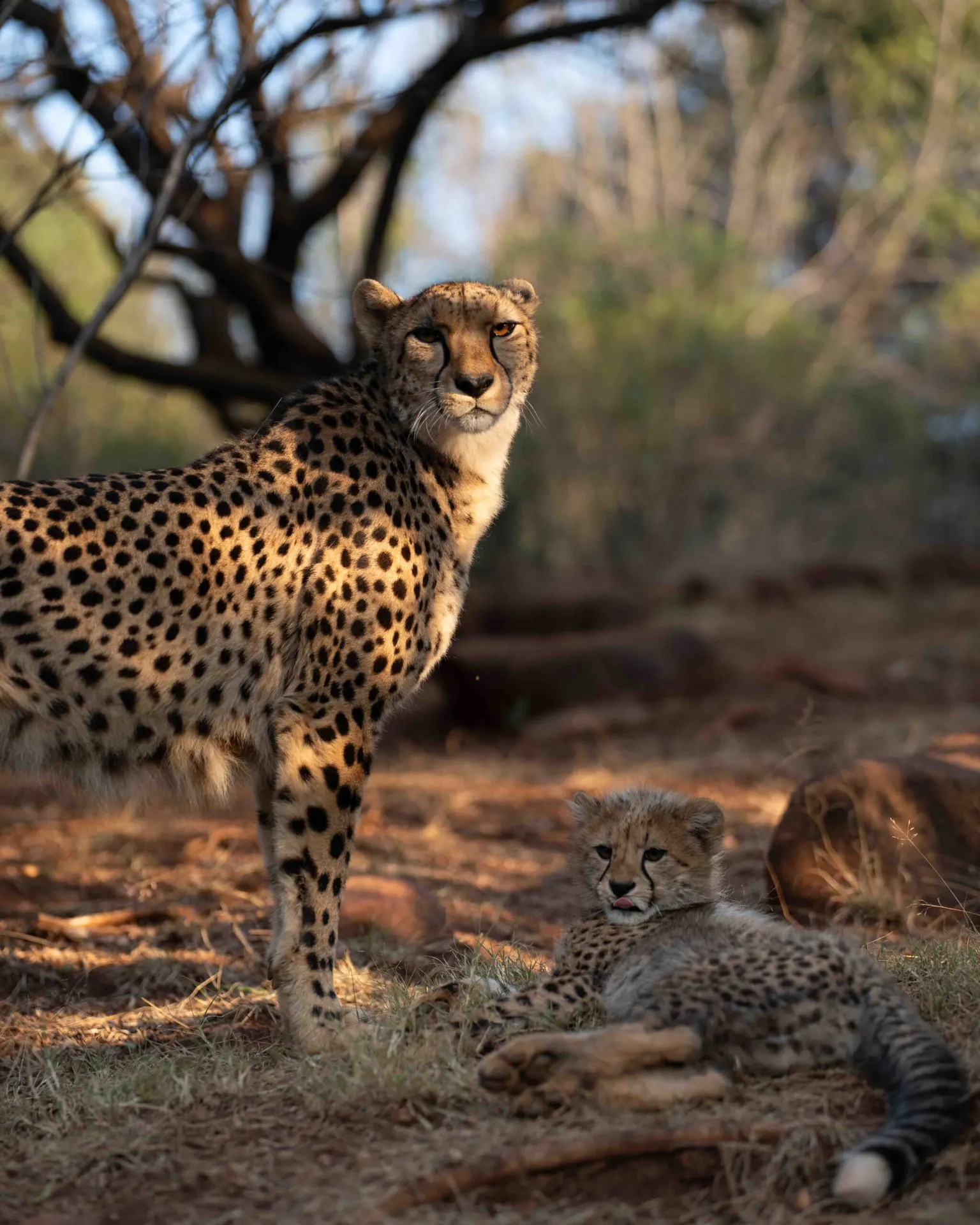
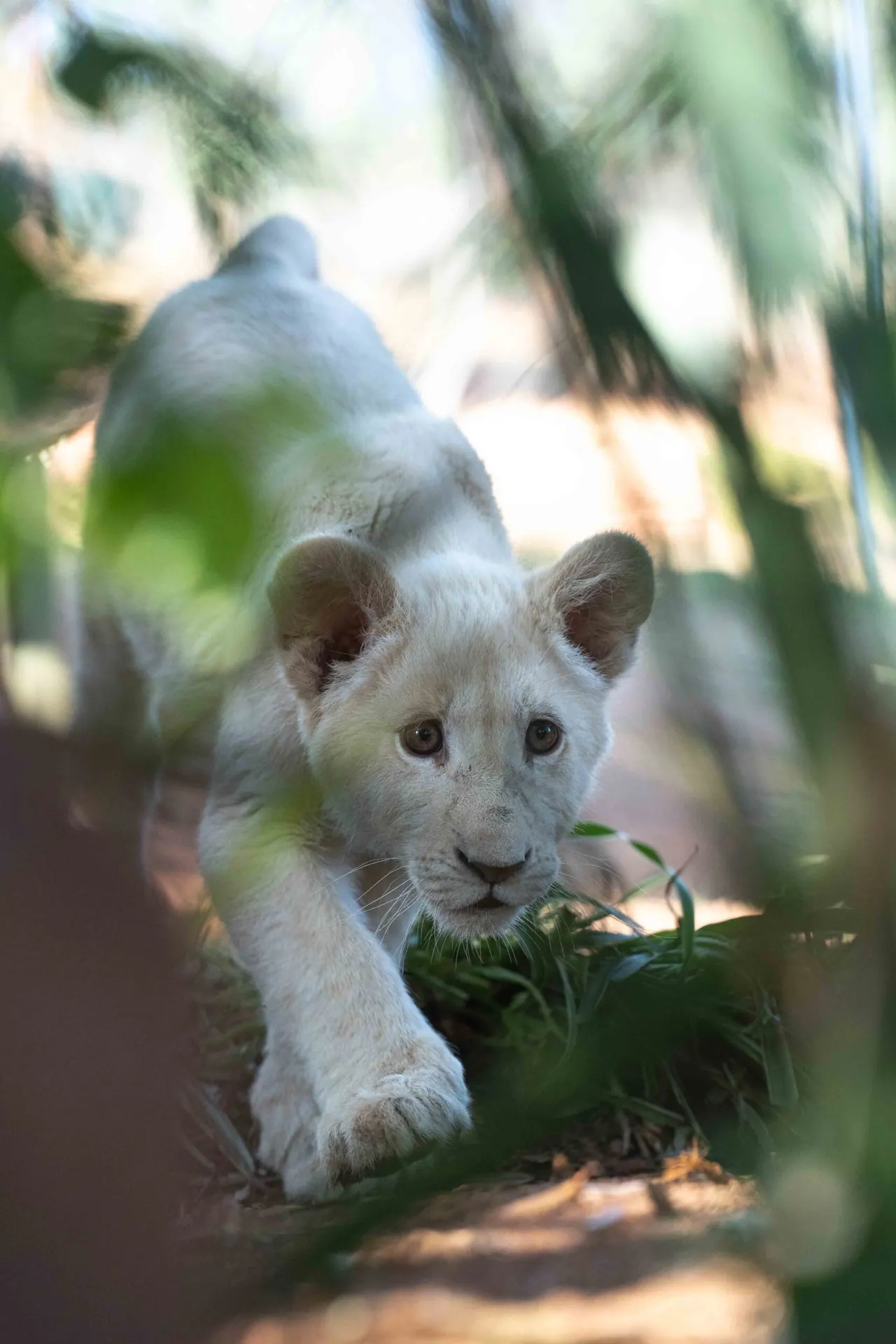
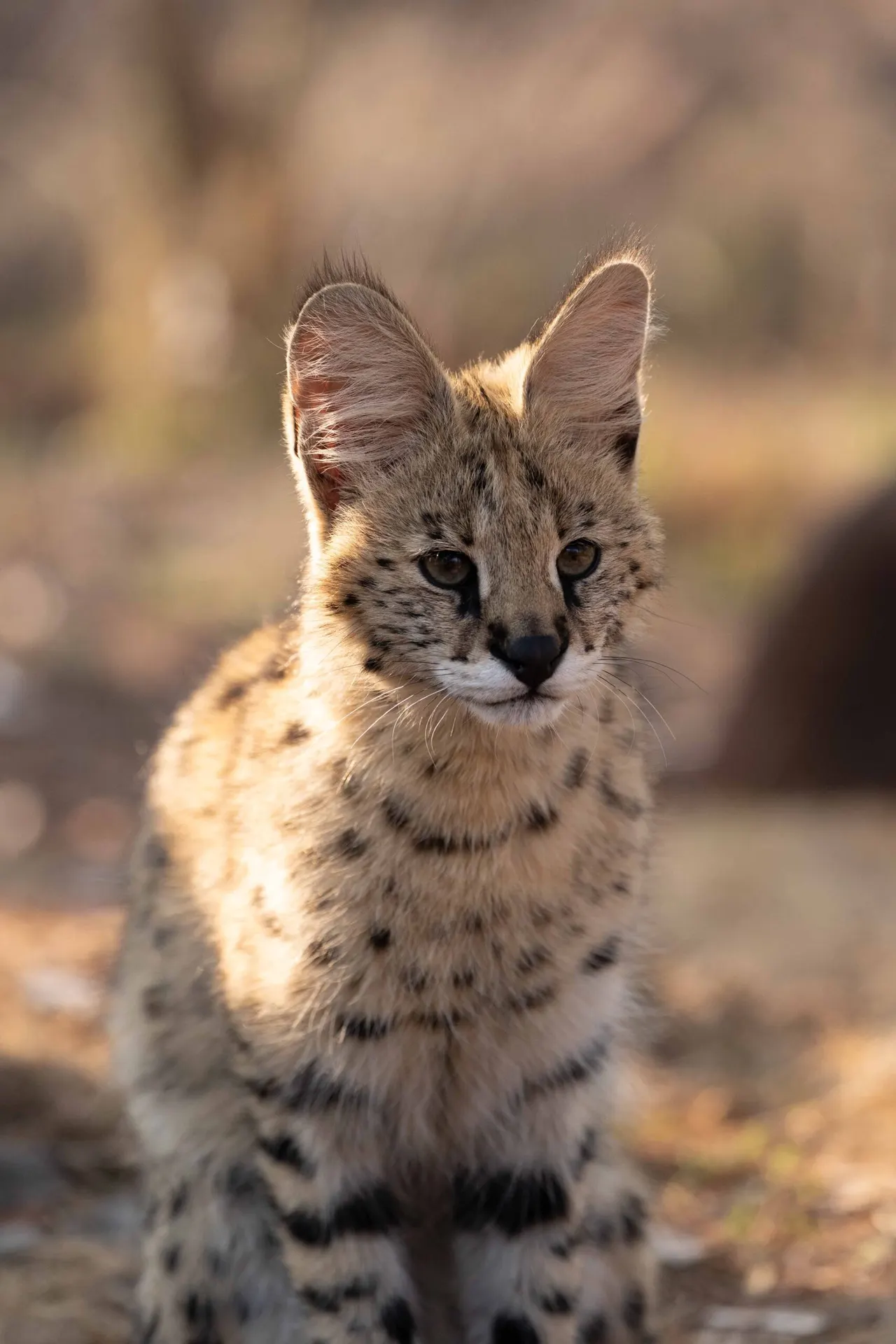
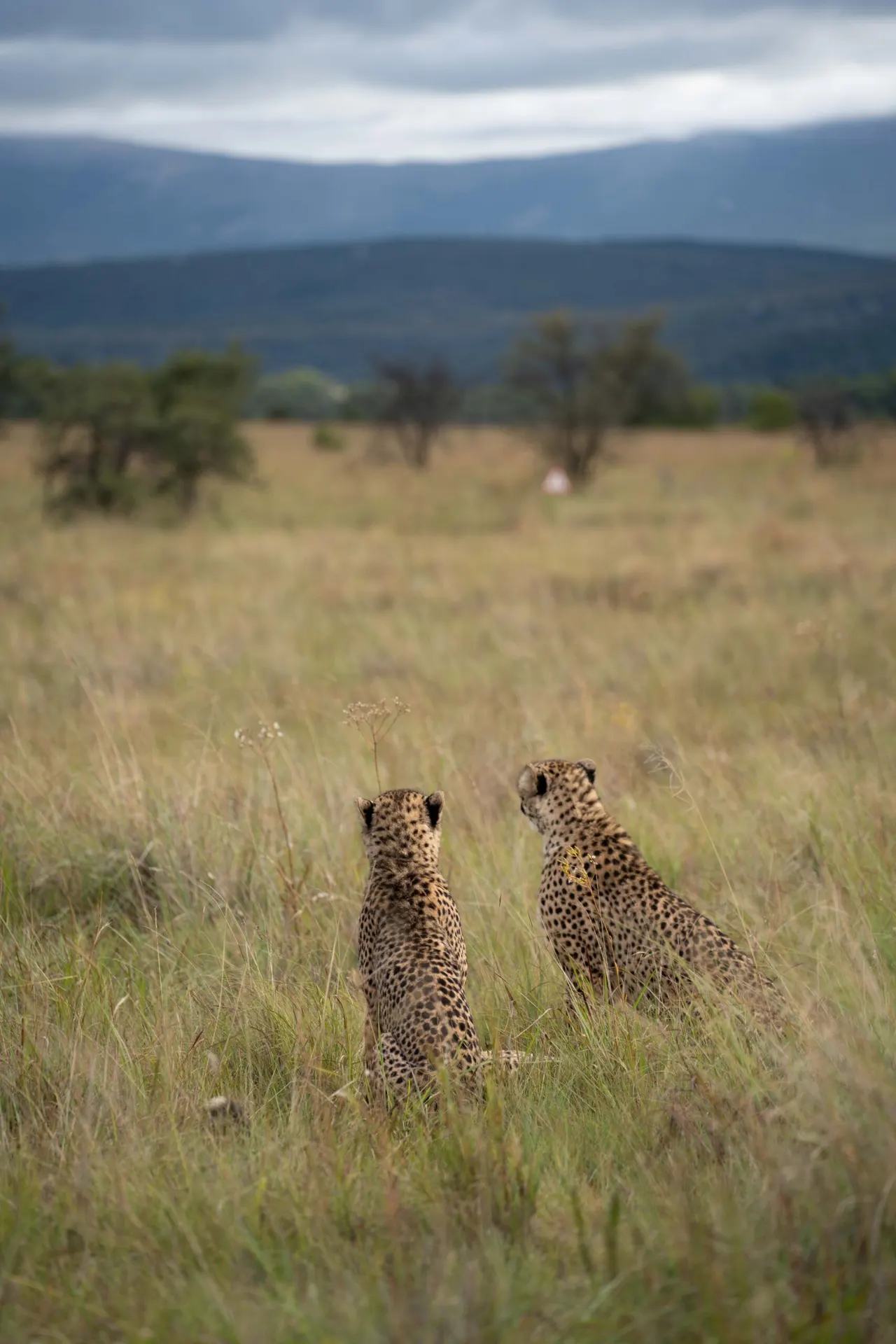
The project is home to cheetahs, lions, hyenas, servals, caracals, meerkats and bushbabies. Some are being prepared for release; others have a permanent home because release is not possible. You see both sides of that decision being made.
You are guided by staff who specialise in conservation, animal husbandry and veterinary care — mentorship that also connects you to a wider network of people doing this work.
Working with the animal team
Gallery
Life on the project.
What you gain
Six things you leave with.
Hands-on experience
Food preparation, animal husbandry, enrichment and behavioural observation — practical skills that cannot be taught in theory alone.
Insight into conservation
How a sanctuary balances animal welfare, ecosystem protection and community involvement, from rescue through to rewilding.
Exposure to animal husbandry and daily care
For students heading toward veterinary science or a career with animals, you gain hands on experience with animals daily.
Skill development
Teamwork, problem-solving, communication and leadership, in an environment where the day rarely goes to plan.
Mentorship and networking
Guidance from specialists in conservation, husbandry and veterinary care, alongside interns and volunteers from around the world.
Career advantage
Universities and employers value applied experience. An internship here shows you have worked in demanding, real conditions.
Who it's for
Pre-vet, student, or already qualified.
Ages 18 to 75 are welcome. You need a basic level of competency in English and a genuine interest in wildlife — no veterinary background is required, though the placement suits anyone heading toward that field.
Veterinary students
Pre-vet and school leavers
Zoology and ecology students
Career changers
Qualified vets and nurses
Your placement
What the rate covers — and what it doesn't.
One to eight weeks · discounted for every extra week · quoted for your dates
Included
Accommodation in a shared log cabin on the project
Three meals a day — dinner cooked for you, breakfast and lunch self-serve with ingredients provided
Laundry once a week
Free wifi in the lodge and communal areas
Activities and game drives on the conservancy
Not included
Flights
Airport transfers — private shuttle, roughly €30–80 per trip, paid in cash to the driver
Excursions and meals during excursions
Insurance — medical, travel and trip-cancellation cover is required
Drinks, snacks and personal extras
Practicalities
Where you stay, and how you get there.
You stay in one of five log cabins beside the lodge, close to the animal camps. Each cabin has two bedrooms and a bathroom shared by up to four people, with men and women in separate rooms. A private room can be arranged for a small daily supplement.
The project is in Gauteng province, on a private gated game reserve. Fly into OR Tambo International in Johannesburg; the project arranges a private shuttle and sends you the details before you travel.
At a glance
Location
Gauteng, South Africa
Airport
OR Tambo (JNB)
Transfer
€30–80 per trip
Arrivals
Monday before 12:00
Departures
Monday after 16:00
Working week
5½ days · Sundays off
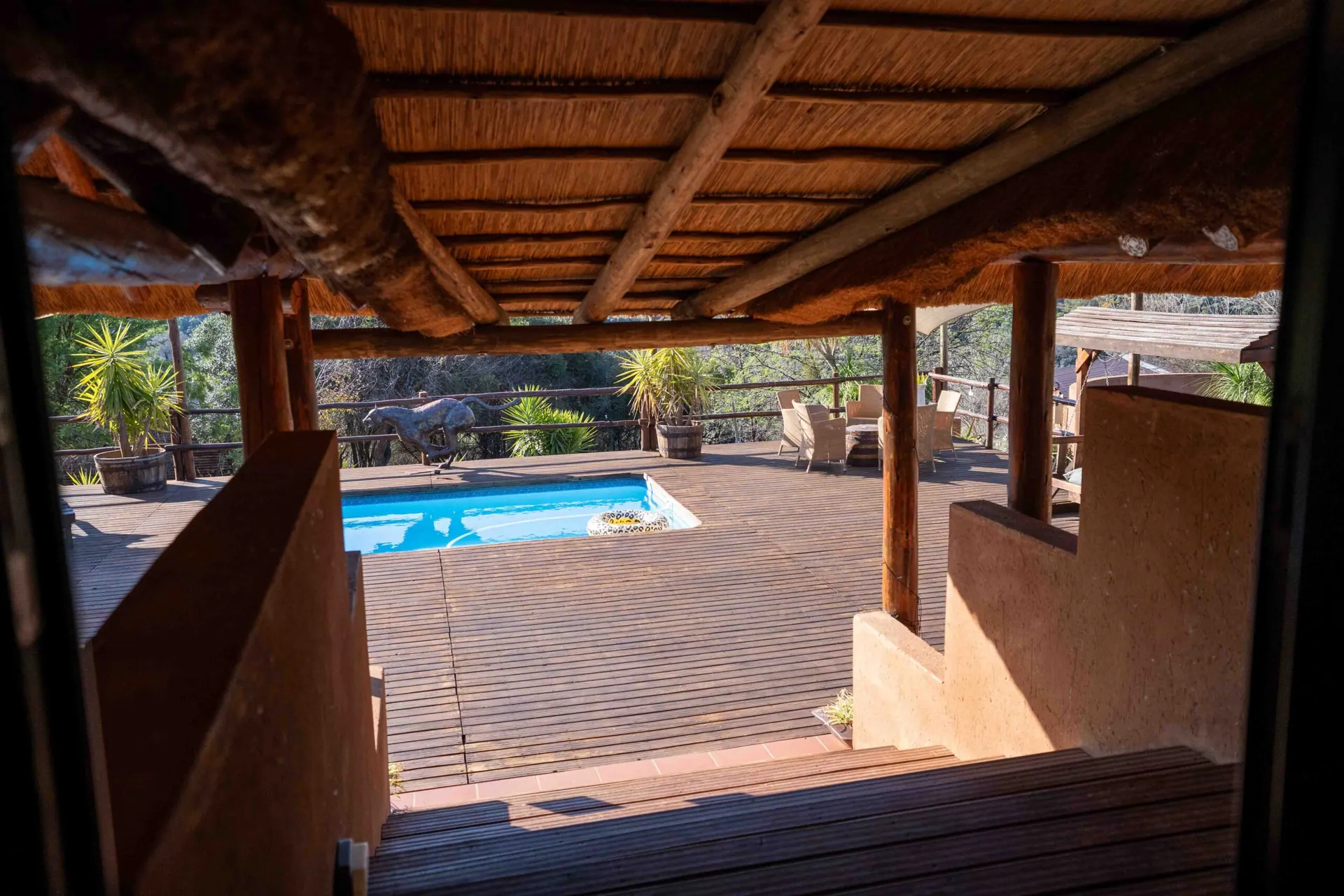
Safari lodge communal area
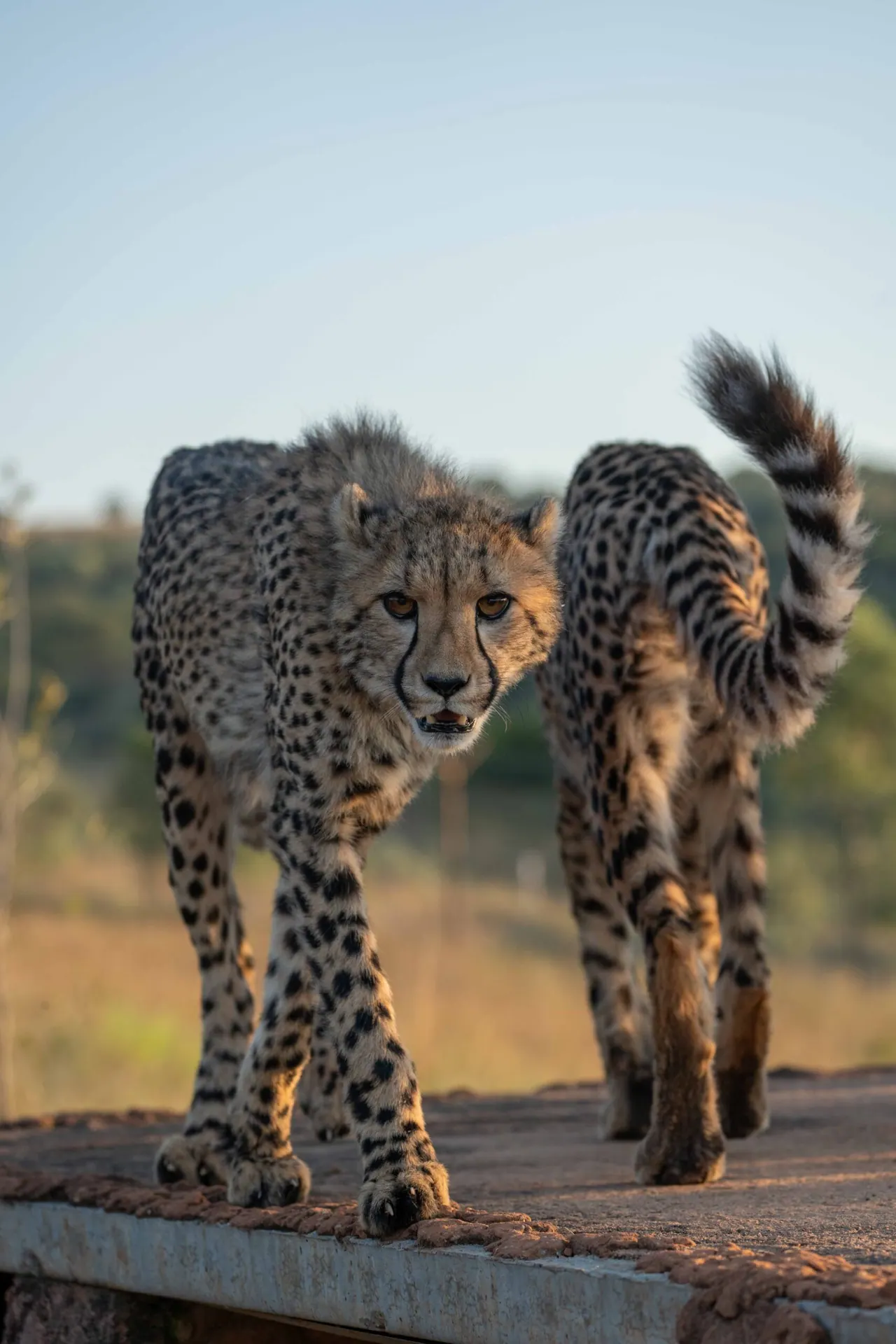
Daily cheetah care and observation
On the ground
Who you'll meet out there.
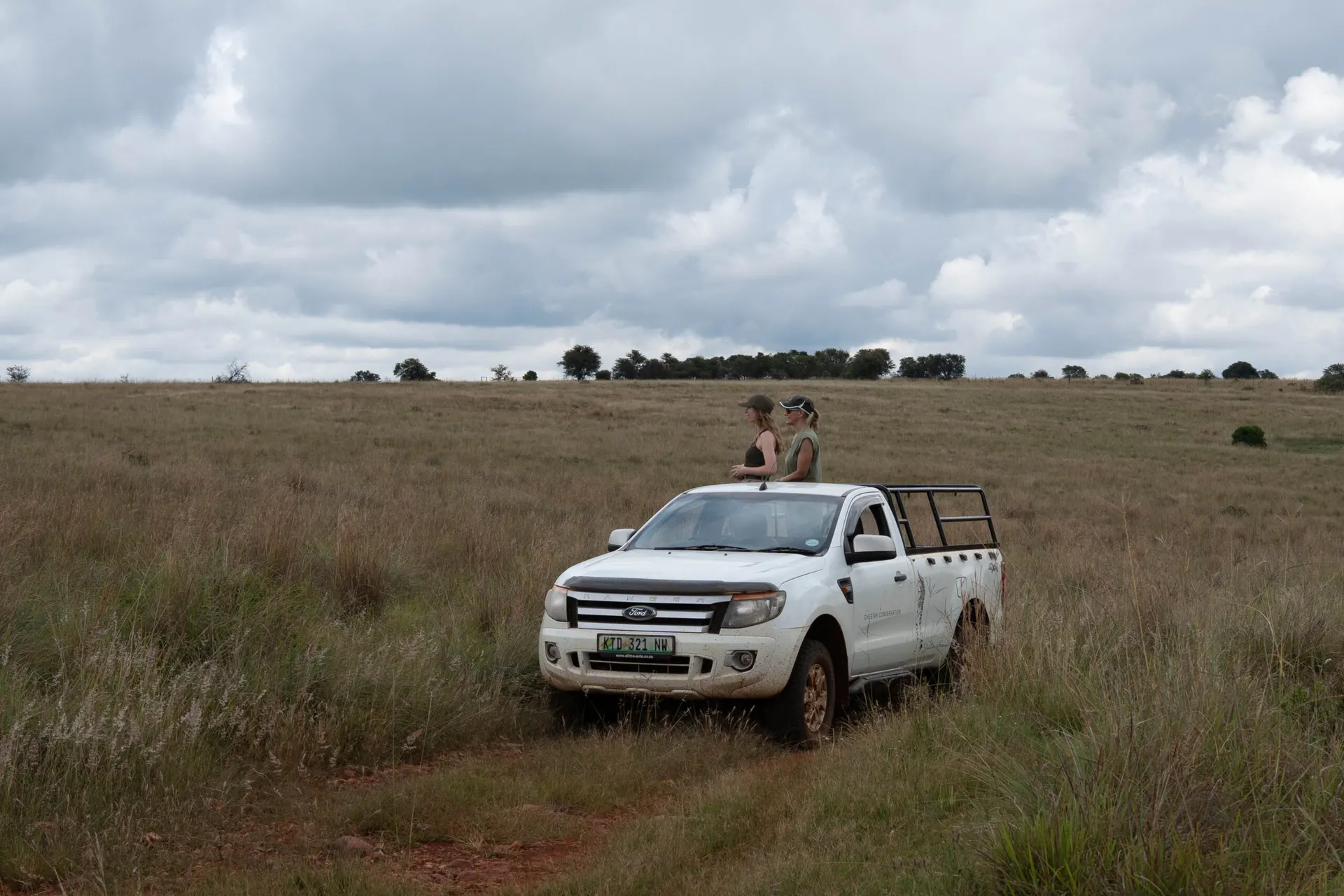
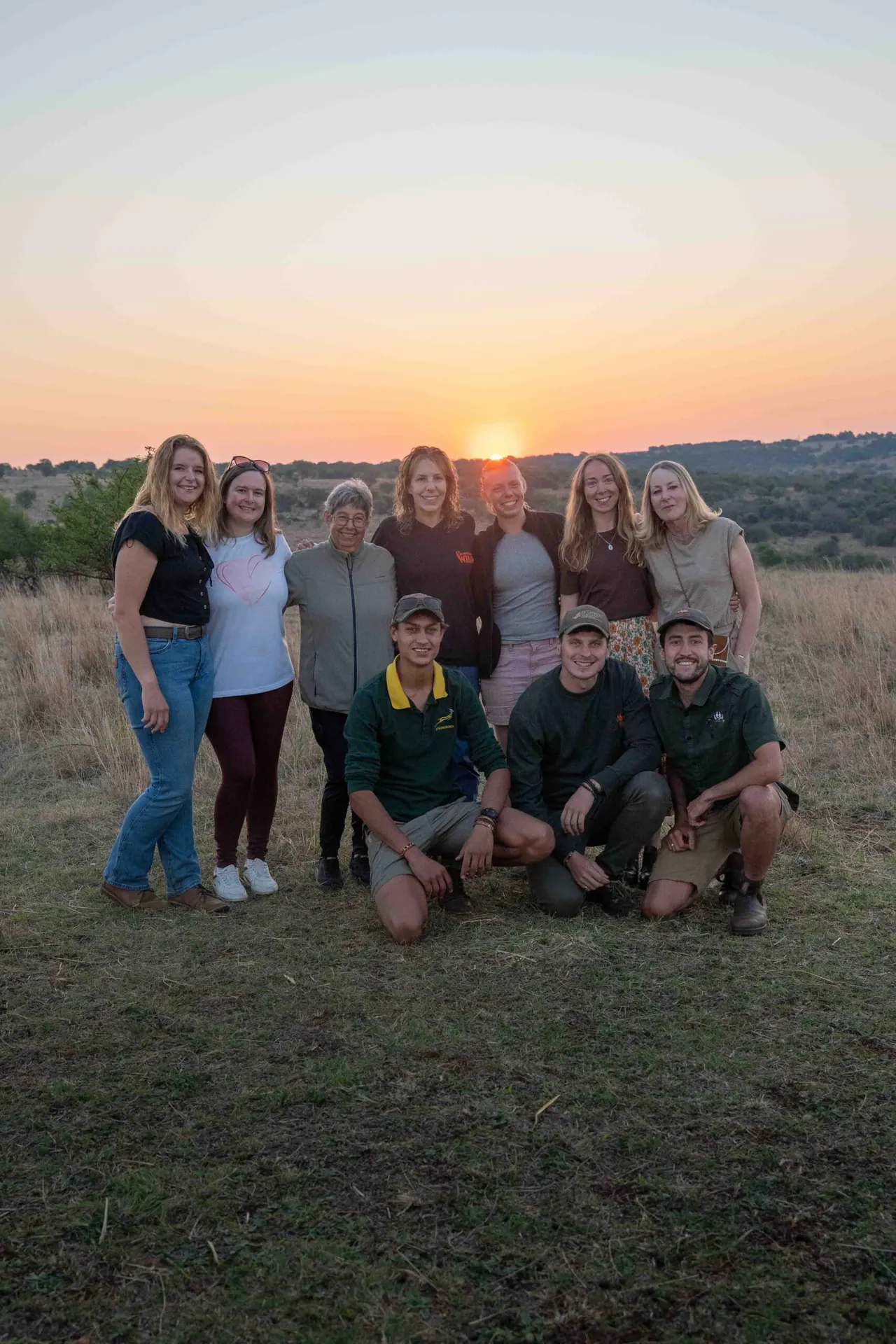
The cheetah project is owned and run by its own small & family run conservation team who you will be working with personally.
The team on the ground at the end of the afternoon round
Rates
What it costs.
One price, per person, covering your whole placement — accommodation, training and every project activity. Nothing to pay until your dates are confirmed.
Per person, per week
from €900
The longer you stay, the less each week costs. A two-week placement comes to around €1,800 in total, and the weekly rate falls from there.
We quote you for your actual dates. Rates are set by the project and move with the season, so we come back with a written figure within two working days — no obligation, and nothing to pay to ask.
Included: accommodation, all meals, supervision, training, laundry and WiFi. Airport transfers are arranged for you and quoted separately.
Optional extra
Add a Big 5 day at Pilanesberg.
Big 5 reserve
Malaria-free
~2.5 hrs from the project
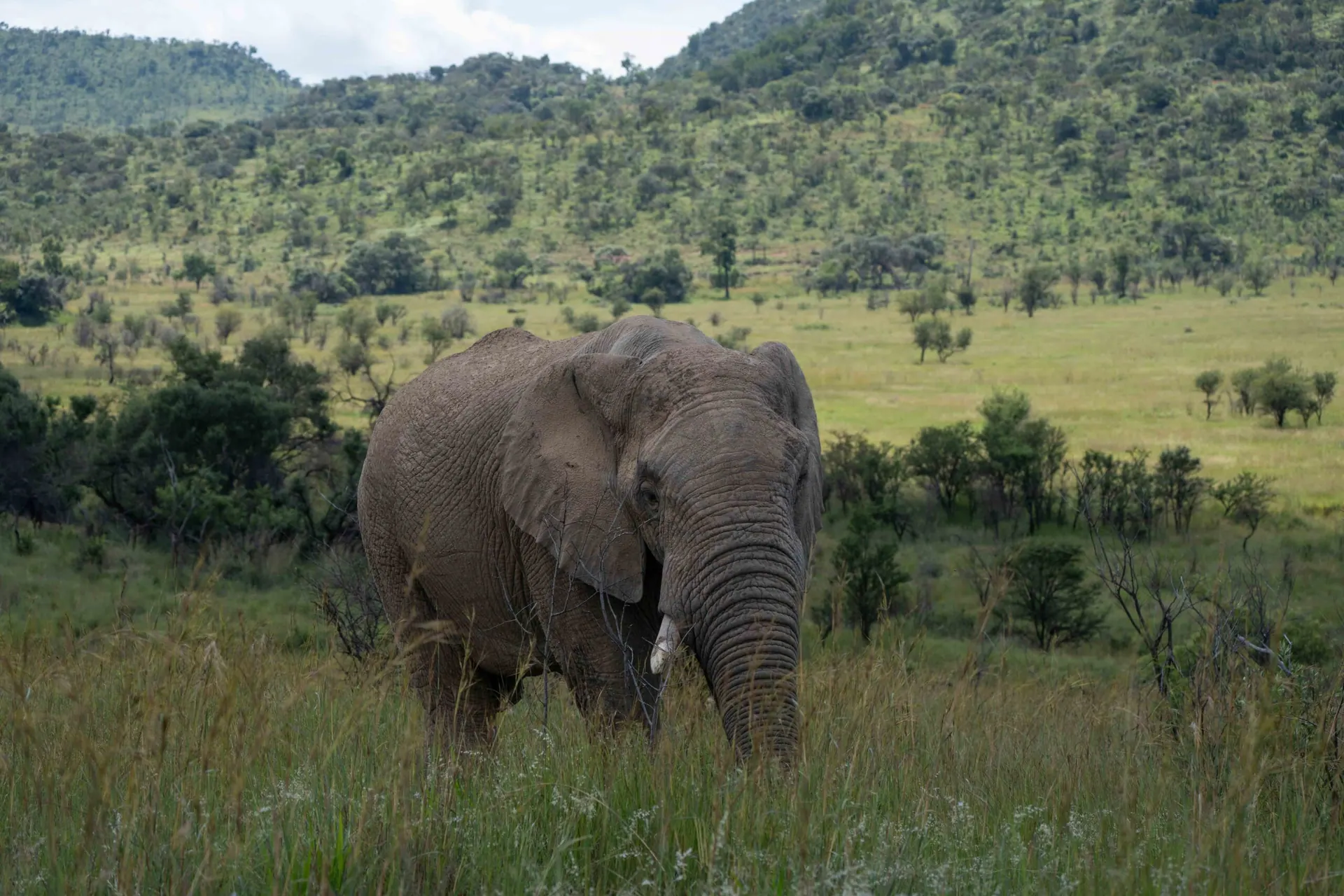
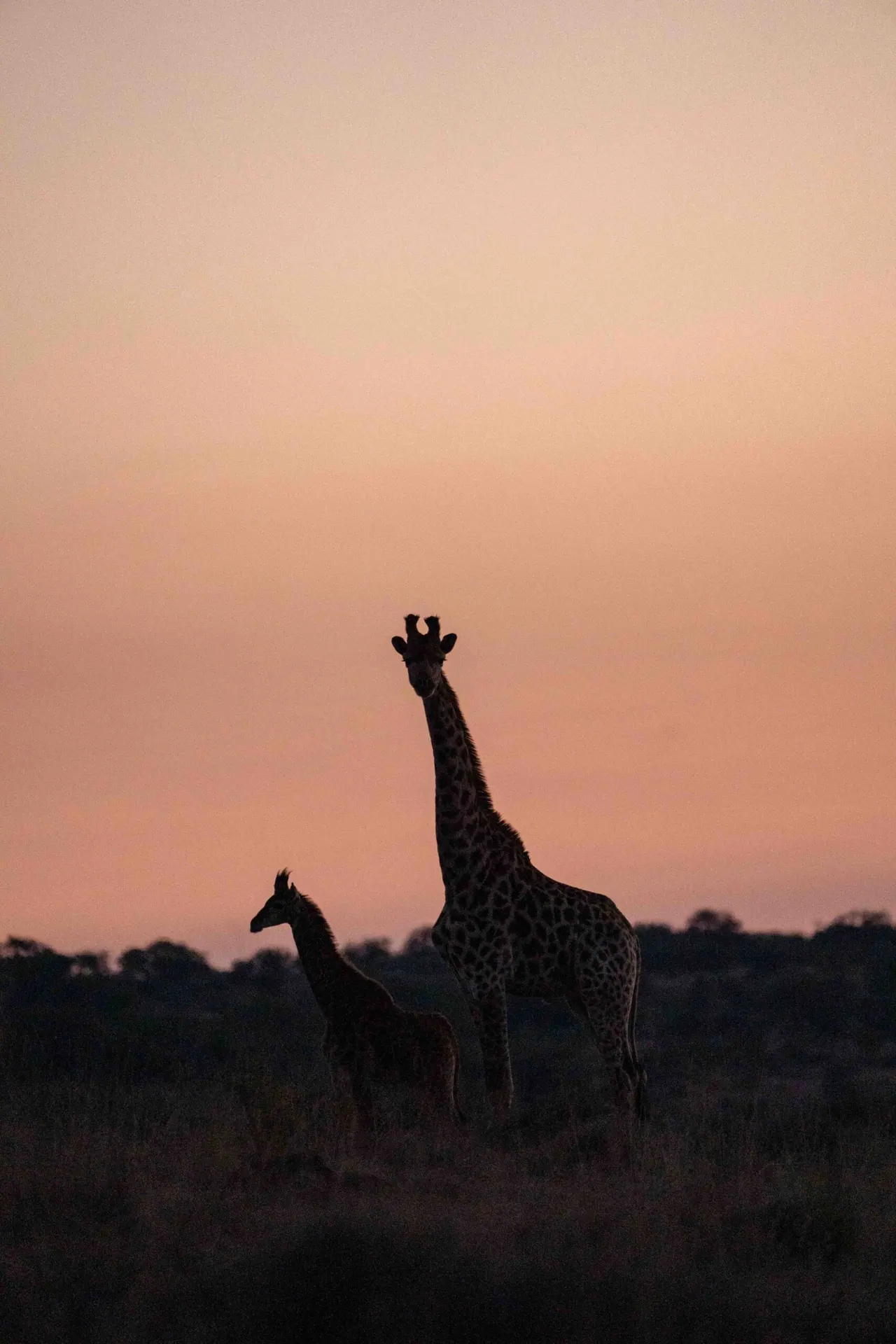
Pilanesberg National Park sits in an ancient volcanic crater a couple of hours from the project — one of South Africa’s finest Big 5 reserves, and malaria-free. Lion, leopard, elephant, buffalo and rhino share it with cheetah, hippo, zebra, giraffe and more than 350 bird species.
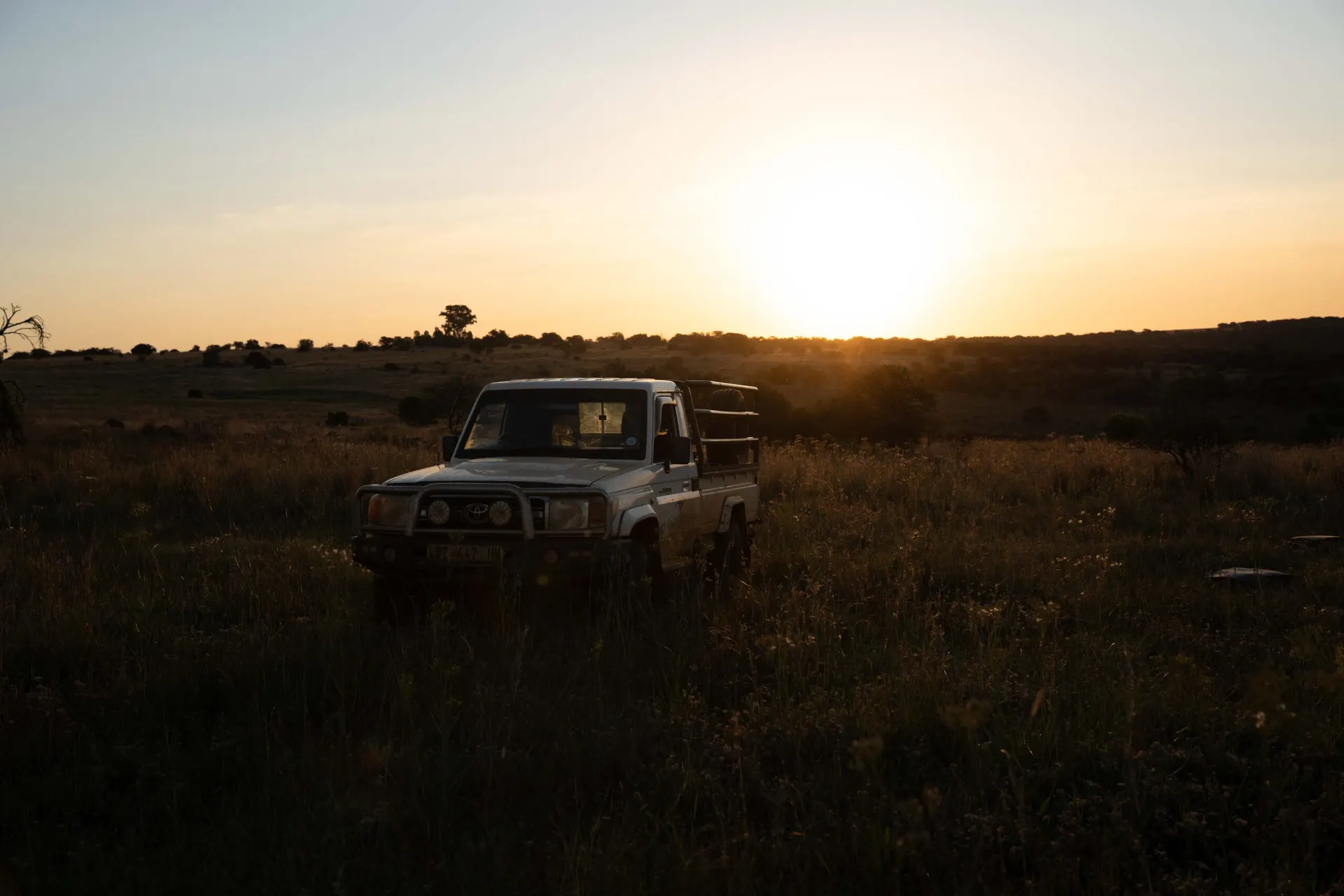
You spend the day in the conservancy 4×4, driven by experienced staff who know the animals, with game drives across the reserve and a break for lunch in the park. It runs on any day, arranged around volunteer demand and timing, for an additional cost — just ask when you enquire.